
5 Most Popular Emerging AI Tools in 2026 (and How to Use Them to Boost Your AI Career)

The world of AI tools is expanding faster than ever — and 2026 is shaping up to be the year practical AI tools become everyday essentials. From multimodal assistants to productivity bots and creative platforms, these tools are reshaping how people work, learn, and create — especially those without technical degrees.
In this article, we highlight the 5 most popular and impactful AI tools trending in 2026, explain what they do, and show how you can use them to grow your skills and career.
1. ChatGPT (OpenAI) – The All-Purpose AI Assistant
What it is:
ChatGPT remains the industry’s go-to AI assistant for tasks like writing, research, summarization, brainstorming, and even coding help.
Why it’s trending:
With ever-improving reasoning and multimodal capabilities, ChatGPT is one of the most versatile tools for both beginners and professionals. It’s widely used in AI jobs for content creation, prompt engineering, customer support, and workflow automation.
How to use it:
Build a personal AI task assistant
Generate high-quality blog content or social media captions
Practice prompt engineering and AI reasoning skills
2. Google Gemini – Multimodal AI Across Google Ecosystem
What it is:
Google’s AI platform, Gemini, integrates conversational AI, image and text understanding, and real-time assistance across Google apps and devices.
Why it’s trending:
Gemini’s strength lies in multimodal reasoning — meaning it can interpret and generate content from text, images, and even control workflows, making it useful for research, design, and task automation.
How to use it:
Summarize documents and visuals
Create image or video content prompts
Build AI-assisted presentations
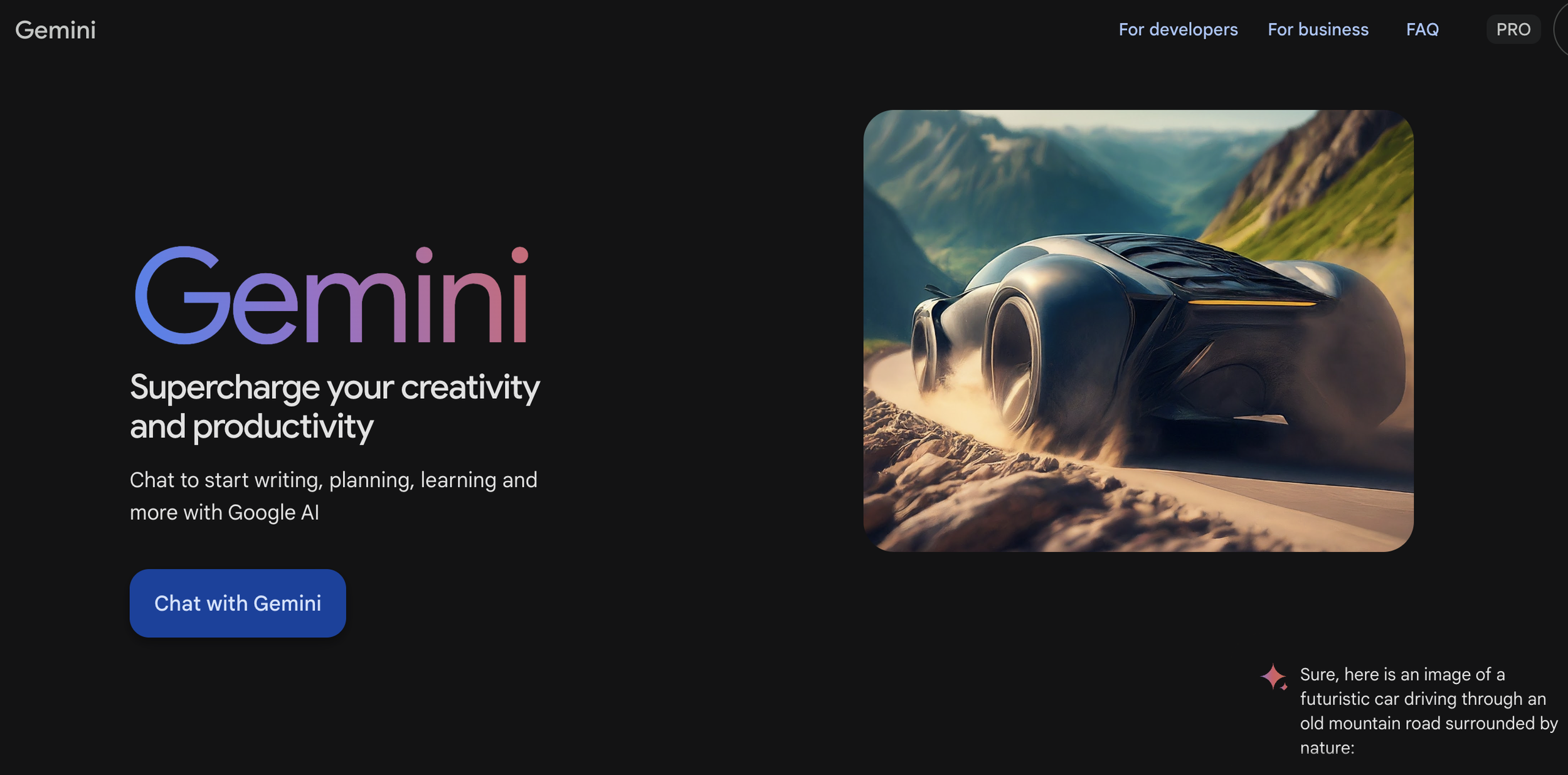
Source: https://gemini.google.com/
3. Perplexity AI – AI Research & Answer Engine
What it is:
Perplexity combines web search with LLM reasoning, giving users accurate answers with cited sources instead of generic text responses.
Why it’s trending:
It’s becoming a favorite tool for research, quick fact-checking, and exploring new topics — especially for learners and students.
How to use it:
Generate research summaries
Find research leads with citations
Prepare AI-powered study notes
4. Claude (Anthropic) – Deep Reasoning and Safe AI Outputs
What it is:
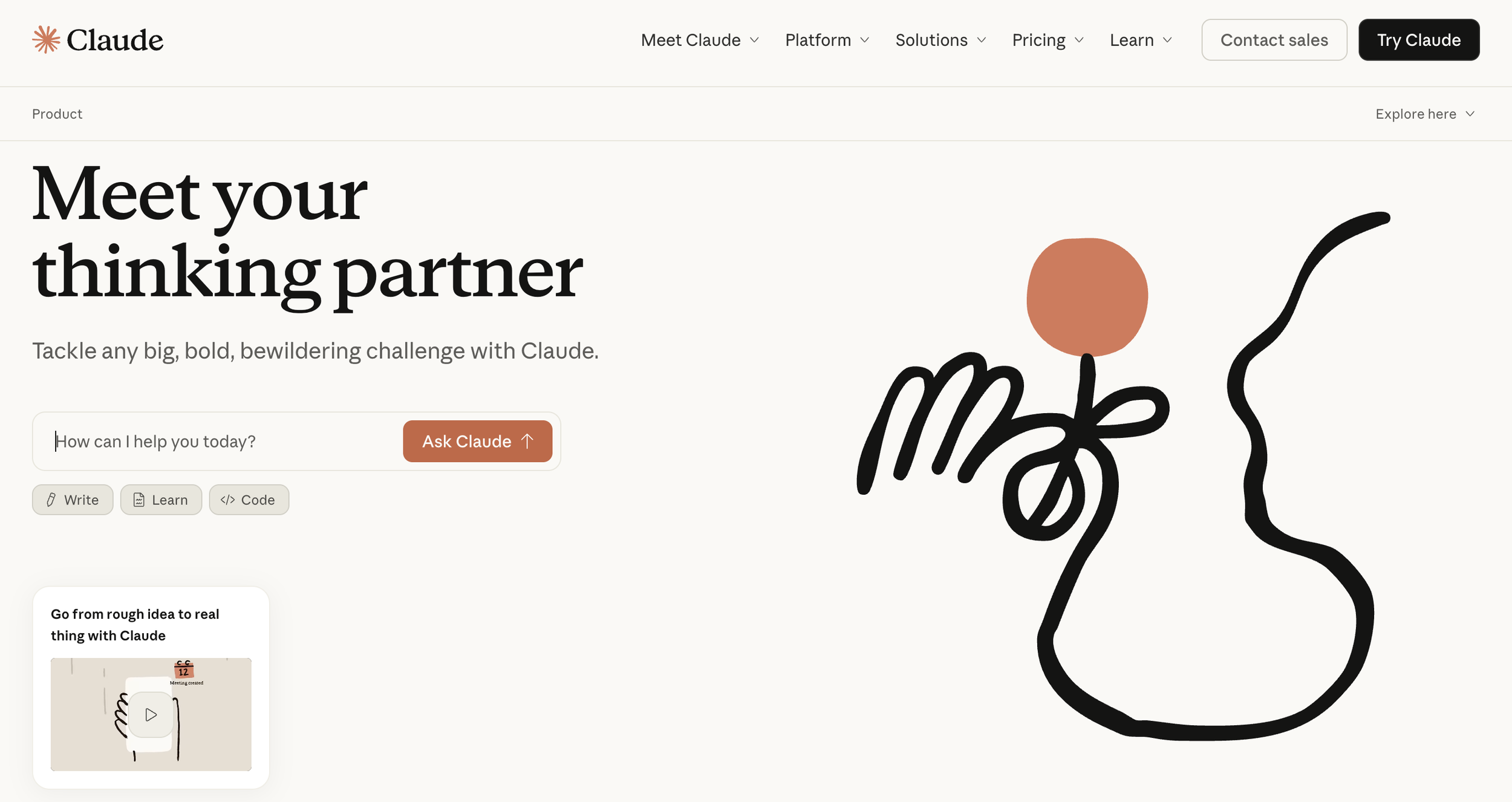
Claude is an LLM developed by Anthropic, designed to prioritize thoughtful reasoning, ethical safety, and nuanced output quality.
Why it’s trending:
Many users prefer Claude for tasks that need structured thinking, long-form writing, and careful interpretation — especially in content strategy, analysis, and educational work.
How to use it:
Draft analytical essays or topic outlines
Generate clear, structured business writing
Explore advanced reasoning prompts
5. Canva AI – AI Design for Creators
What it is:
Canva’s integrated AI features democratize design by allowing users to generate visuals, layouts, and branded creative assets through natural language prompts.
Why it’s trending:
Canva AI brings design to non-designers — perfect for bloggers, content creators, social media managers, and marketers who want professional results with minimal learning curve.
How to use it:
Create blog graphics and Instagram posts
Generate marketing visuals from text prompts
Use AI templates to speed up branding tasks
How These Tools Can Boost Your AI Career in 2026
Whether you’re pursuing entry-level AI roles, freelancing, or building your own business toolkit, mastering the right AI tools is key. In 2026, employers increasingly look for:
AI workflow proficiency
Prompt-crafting skills
Tool-agnostic reasoning
Productivity automation — all achievable with the tools above.
Here’s how these platforms help you stand out:
ChatGPT & Claude sharpen your thinking and communication
Gemini & Perplexity elevate your research and multimodal output
Canva AI gives you visual storytelling power
Together, they form a modern AI skill set anyone can learn — no degree required.
Final Thoughts
The AI landscape in 2026 is defined by tools that do more with less effort, enabling people to work smarter and expand what’s possible without technical backgrounds. Staying updated with these leading AI platforms is not just useful — it’s career-shifting.
Pair this article with tutorials on how to get started with each tool, and you’ll create a content ecosystem that drives traffic, builds authority, and helps readers make real progress in their AI learning journey.
Looking to start to a new career in AI?
Check out these 10 Remote AI Jobs You Can Get Without a Degree!